For 14 months, Daniel took a high-quality probiotic every morning. Good strains. Decent CFU count. He'd done his research.
He noticed almost nothing.
Then his nutritionist asked one question: "What are you feeding them?"
Daniel stared blankly. The bacteria. You're seeding your gut with billions of bacteria and not feeding them anything. No wonder they're not thriving.
Within three weeks of adding a prebiotic fiber, Daniel's digestion transformed. The same probiotic he'd been taking for over a year suddenly worked. Here's why — and how to make sure you're not making the same mistake. Understanding the distinction is essential to making informed choices about your gut health routine.
💡 Simple analogy: Probiotics are like seeds you plant in a garden. Prebiotics are the fertiliser and water that help those seeds grow. You generally need both for the garden — your gut microbiome — to truly thrive.
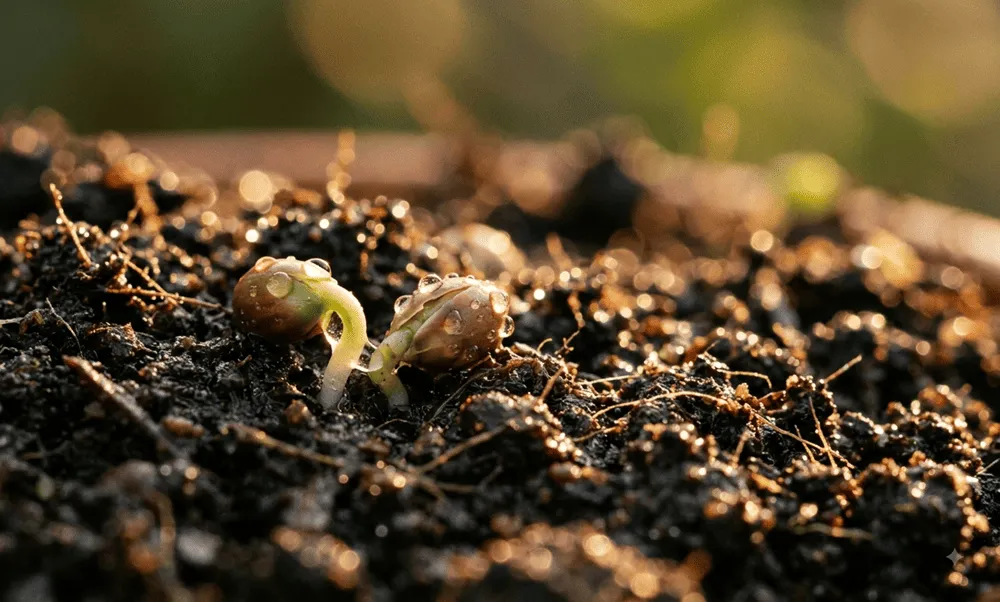
This is what probiotics WITH prebiotics looks like. Seeds (bacteria) in fertile soil (prebiotic fiber). This is the combination that works.
What Are Probiotics?
Probiotics are live microorganisms — primarily bacteria, but sometimes yeasts — that provide a health benefit when consumed in adequate amounts. They are the actual living bacteria themselves, found in fermented foods (yoghurt, kefir, kimchi, sauerkraut) or concentrated supplements.
Common probiotic genera include Lactobacillus, Bifidobacterium, Akkermansia, and Clostridium butyricum — each with different strains studied for different benefits.
What Are Prebiotics?
Prebiotics are non-digestible fibres and compounds that selectively feed beneficial gut bacteria. Your body cannot digest them, but the bacteria in your colon can ferment them, producing beneficial byproducts like short-chain fatty acids.
Common prebiotic sources include chicory root (inulin), resistant starch (found in cooked-and-cooled potatoes and green bananas), garlic, onions, leeks, and asparagus.
Side-by-Side Comparison
| Feature | Probiotics | Prebiotics |
|---|---|---|
| What it is | Live bacteria | Non-digestible fibre |
| Function | Adds beneficial bacteria directly | Feeds existing beneficial bacteria |
| Food sources | Yoghurt, kefir, kimchi, sauerkraut | Chicory root, garlic, onions, green bananas |
| Survives stomach acid? | Only specific resilient strains | Yes — by design, undigested until colon |
| Best used | To introduce new beneficial strains | To support bacteria already present |
Why You Need Both: The Synbiotic Approach

Probiotic + Prebiotic = Synbiotic. The combination consistently outperforms either ingredient alone in clinical research.
Research increasingly supports combining probiotics and prebiotics — a strategy known as a synbiotic approach. Here's why this combination outperforms either alone:
- Prebiotics improve the survival rate of probiotic bacteria as they pass through stomach acid
- Prebiotics provide immediate fuel for probiotics once they reach the colon, improving colonisation success
- The combination produces higher levels of beneficial short-chain fatty acids than either alone
- Synbiotic formulations have shown superior results in clinical studies compared to probiotic-only or prebiotic-only interventions
Common Mistakes People Make
Mistake #1: Taking Probiotics Without Prebiotics
Introducing new bacteria without feeding them is like planting seeds in barren soil — survival rates and colonisation are significantly lower.
Mistake #2: Increasing Prebiotic Fibre Too Quickly
A sudden jump in prebiotic fibre intake can cause temporary bloating and gas as your gut bacteria adjust. Gradual increases over 1–2 weeks are better tolerated.
Mistake #3: Choosing Products With Hidden Doses
Many supplements use "proprietary blends" that don't disclose individual ingredient amounts. Look for products that clearly state CFU counts for probiotics and milligram amounts for prebiotic fibres.

Not all synbiotics are created equal. Here's exactly what to look for on the label.
How to Get Both in Your Daily Routine
- Through food: Combine fermented foods (probiotic) with high-fibre vegetables and resistant starch sources (prebiotic) in the same meals
- Through supplementation: Choose a synbiotic supplement that includes both clinically studied probiotic strains and prebiotic fibres like chicory inulin or resistant starch in one formula
Bottom line: Probiotics and prebiotics aren't interchangeable — they're complementary. For the most effective gut health strategy, look for an approach (whether through diet or supplementation) that provides both the beneficial bacteria and the fuel they need to thrive.
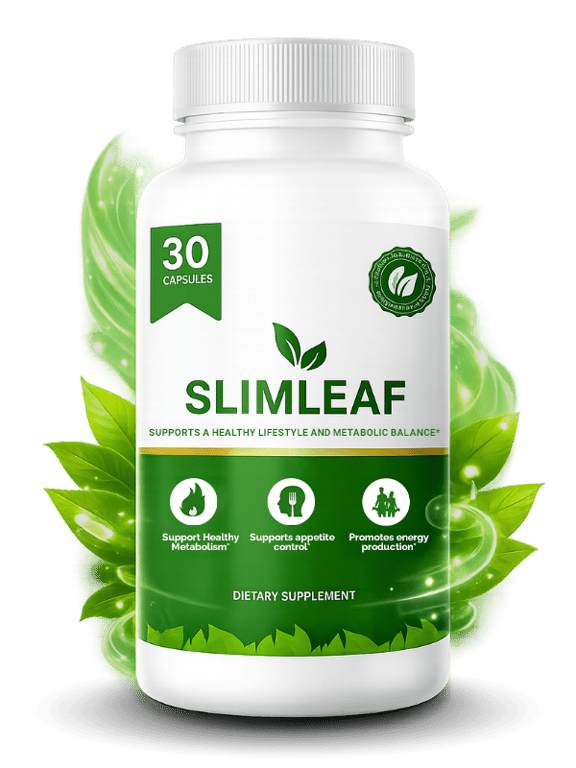
Support Your Gut With SlimLeaf
500M CFU probiotic blend + chicory inulin + resistant starch — formulated for gut health, metabolism, and appetite control.
Try SlimLeaf — 60-Day Guarantee →