Six months after her sinus infection cleared, Rachel was still bloated every day. Exhausted despite sleeping 8 hours. A sugar craving so intense it felt like a separate voice in her head. And 9 pounds gained without changing her diet.
Her doctor said she was fine.
What her doctor didn't mention — what most doctors don't mention — is what a two-week antibiotic course does to the gut microbiome. Or how long it actually takes to recover. Or whether it ever fully recovers on its own. The research answers are sobering. Here's the truth — and the recovery protocol that actually works.
If you've recently finished a course of antibiotics, you may have noticed digestive changes — bloating, irregular bowel movements, or just a general feeling that something is "off." This is extremely common, and there's a clear biological reason for it.
💡 Quick answer: Antibiotics don't just kill harmful bacteria — they wipe out beneficial bacteria too. Studies show gut microbiome diversity can take anywhere from a few weeks to 6+ months to fully recover, and some bacterial species may never fully return without targeted support.
Why Antibiotics Disrupt Your Gut Microbiome
Antibiotics are designed to kill bacteria — but they can't distinguish between the harmful bacteria causing your infection and the trillions of beneficial bacteria that live in your gut and support digestion, immunity, and metabolism.
A single course of broad-spectrum antibiotics can reduce gut bacterial diversity by up to 30%, according to microbiome research. This disruption — known as dysbiosis — opens the door to opportunistic, less beneficial bacteria and yeast species, which is why many people experience bloating, yeast overgrowth, or digestive upset after treatment.
How Long Does It Take Gut Bacteria to Recover After Antibiotics?
Recovery timelines vary significantly based on the type of antibiotic, dosage, duration, and individual factors. Research generally suggests:
- 1–2 weeks: Some bacterial populations begin to rebound
- 1–2 months: Overall bacterial counts often normalise
- 6 months or longer: Full microbial diversity — including rarer, beneficial species — may take much longer to return
Some studies have found that certain bacterial strains never fully recover to pre-antibiotic levels without active intervention, which is why proactive gut restoration matters.
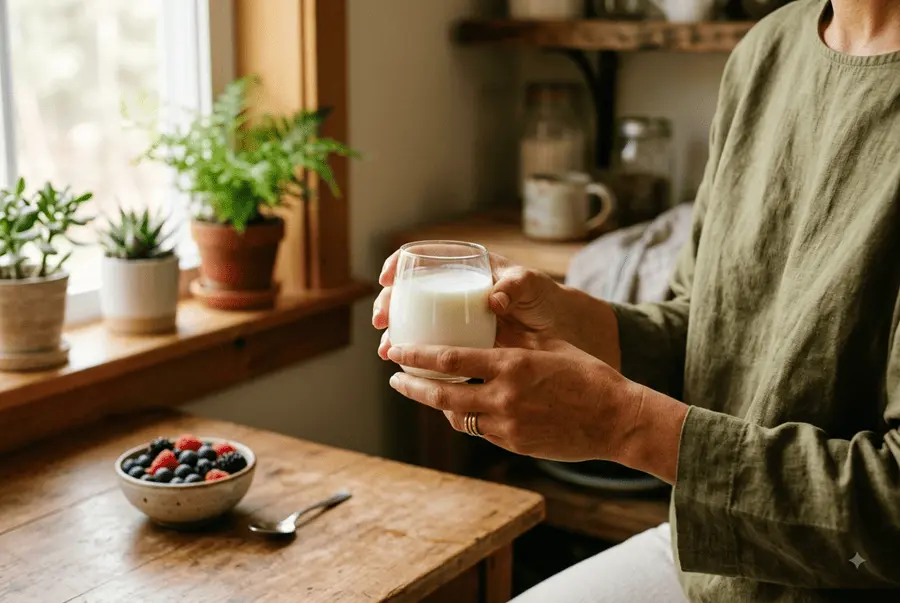
Kefir and fermented foods are the fastest way to reintroduce diverse bacteria after antibiotic damage.
7 Steps to Restore Gut Health After Antibiotics
1. Start a Probiotic During (or Immediately After) Treatment
Contrary to old advice to wait until after finishing antibiotics, current research supports starting a probiotic supplement during treatment (taken a few hours apart from your antibiotic dose) to reduce antibiotic-associated digestive symptoms.
2. Prioritise Prebiotic Fibre
Prebiotics — like chicory inulin and resistant starch — feed the beneficial bacteria that survived antibiotic treatment, helping them multiply and recolonise faster.
3. Eat Fermented Foods Daily
Yoghurt, kefir, sauerkraut, and kimchi introduce diverse live bacterial strains that can help repopulate your gut more broadly than a single-strain supplement alone.
4. Avoid Sugar and Processed Foods
Sugar feeds opportunistic yeast and less beneficial bacteria, potentially worsening post-antibiotic dysbiosis. Minimising sugar intake for several weeks post-treatment can support a healthier recolonisation.
5. Increase Fibre-Rich Vegetables
A diverse intake of vegetables provides a broad range of fibres that support different bacterial species, encouraging overall microbial diversity rather than favoring just one strain.
6. Stay Hydrated
Adequate water intake supports healthy digestion and helps move beneficial compounds through the digestive tract efficiently.
7. Be Patient and Consistent
Gut restoration isn't an overnight process. Most research-backed protocols recommend at least 4–12 weeks of consistent probiotic and dietary support to see meaningful improvement.
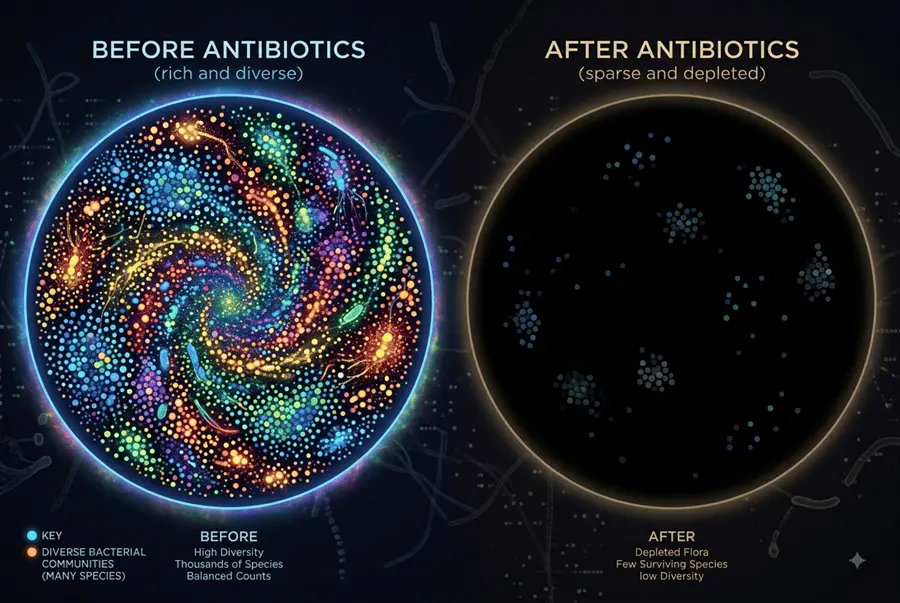
The left is what you had. The right is what one antibiotic course can do. Active restoration brings you back.
Specific Strains That Help After Antibiotics
Not all probiotic strains are equally useful post-antibiotics. Research has highlighted a few specific strains with the strongest evidence for reducing antibiotic-associated digestive symptoms:
- Clostridium butyricum — shown in clinical trials to reduce antibiotic-associated diarrhoea
- Bifidobacterium infantis — helps recolonise quickly and reduces bloating
- Akkermansia muciniphila — supports the gut lining, which is often weakened after illness and antibiotic use
Bottom line: If you've recently taken antibiotics, your gut needs active support to recover fully. A combination of targeted probiotic strains, prebiotic fibre, and a temporary reduction in sugar and processed foods can significantly speed up recolonisation and reduce lingering digestive symptoms.
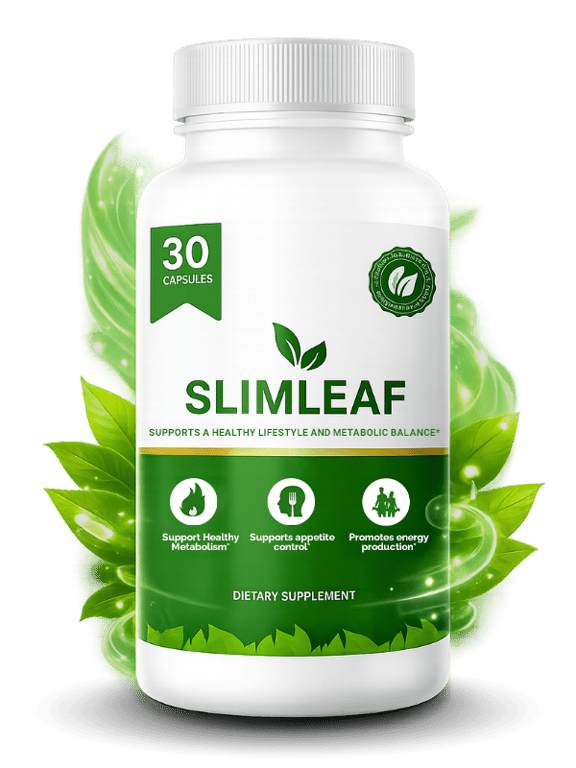
Support Your Gut With SlimLeaf
500M CFU probiotic blend + chicory inulin + resistant starch — formulated for gut health, metabolism, and appetite control.
Try SlimLeaf — 60-Day Guarantee →