For three years, Emma ate clean, walked 10,000 steps daily, and still couldn't lose weight. Her doctor called her bloodwork "fine." Friends assumed she wasn't trying hard enough. She blamed herself.
Then a microbiome test revealed she had almost no Akkermansia muciniphila — a bacterium linked to healthy weight in every major study conducted in the last decade. Her gut bacteria had been sabotaging her metabolism since a round of antibiotics at 34.
Emma's story is more common than you'd think. And it starts with understanding what your gut is actually doing. The collection of trillions of microorganisms living in your digestive tract, collectively known as the gut microbiome, influences virtually every aspect of your health.
From how efficiently you burn calories to how well you sleep, from your immune response to your risk of chronic disease — the balance of bacteria in your gut may matter more than almost any other single factor in your biology.
💡 Did you know? The gut contains over 100 trillion microorganisms — roughly 10 times the number of cells in your entire body — representing more than 1,000 different species.

For Emma — and millions of others — the cause of every symptom was the same. Her gut microbiome.
What Is the Gut Microbiome?
The gut microbiome refers to the vast ecosystem of bacteria, viruses, fungi, and other microorganisms living primarily in your large intestine. While the word "bacteria" often carries negative connotations, the vast majority of gut bacteria are not only harmless — they are absolutely essential.
These microbes help you:
- Digest foods that your body can't break down on its own
- Produce essential vitamins, including B12, K2, and short-chain fatty acids
- Train and regulate your immune system
- Protect the gut lining against harmful pathogens
- Communicate with your brain via the gut-brain axis
Signs Your Gut Microbiome May Be Out of Balance
Dysbiosis — an imbalance of gut bacteria — is far more common than most people realise. Modern diets, antibiotic use, chronic stress, and lack of sleep have dramatically altered the microbial landscape of most adults. Signs that your microbiome may need support include:
- Persistent bloating, gas, or abdominal discomfort
- Irregular bowel habits (constipation or diarrhoea)
- Unexplained fatigue or brain fog
- Frequent colds or low immunity
- Skin issues such as eczema or acne
- Sugar and carbohydrate cravings that feel uncontrollable
- Difficulty losing weight despite diet and exercise

Microbiome diversity directly correlates with metabolic health — the more diverse, the better.
The Gut–Metabolism Connection
One of the most exciting areas of microbiome research is its connection to metabolic health. Studies now show that people with a diverse, healthy gut microbiome tend to maintain healthier body weight, have better insulin sensitivity, and experience fewer cravings than those with a disrupted microbiome.
Specific bacterial strains play key roles. Akkermansia muciniphila, for example, has been repeatedly associated with leanness and improved metabolic markers in both animal models and human studies. Meanwhile, Bifidobacterium species help regulate appetite hormones like GLP-1 and PYY, which signal fullness to the brain.
How Gut Bacteria Affect Weight
Research published in leading journals has identified two primary mechanisms through which gut bacteria influence weight:
- Energy extraction: Certain bacteria are more efficient at extracting calories from food. An overgrowth of these species may lead to more calories being absorbed from the same meal.
- Butyrate production: Beneficial bacteria ferment dietary fibre to produce butyrate — a short-chain fatty acid that fuels colon cells, reduces inflammation, and improves insulin sensitivity.
🔬 Research insight: A landmark 2006 study found that transplanting gut bacteria from obese mice into germ-free mice caused a significant increase in body fat — even with no change in food intake.
How to Improve Your Gut Health Naturally
The good news: the gut microbiome is remarkably responsive to lifestyle changes. Here are the most evidence-backed strategies for cultivating a healthier microbial ecosystem:
1. Increase Dietary Fibre Intake
Fibre is the primary fuel source for beneficial gut bacteria. The more diverse and abundant your fibre intake, the more you support microbial diversity. Aim for 25–38g per day from sources like vegetables, legumes, whole grains, and fruits.
2. Eat Fermented Foods
Foods like yoghurt, kefir, kimchi, sauerkraut, miso, and kombucha introduce live beneficial bacteria directly into the gut. A 2021 Stanford study found that a high-fermented-food diet significantly increased microbiome diversity and reduced inflammatory markers.
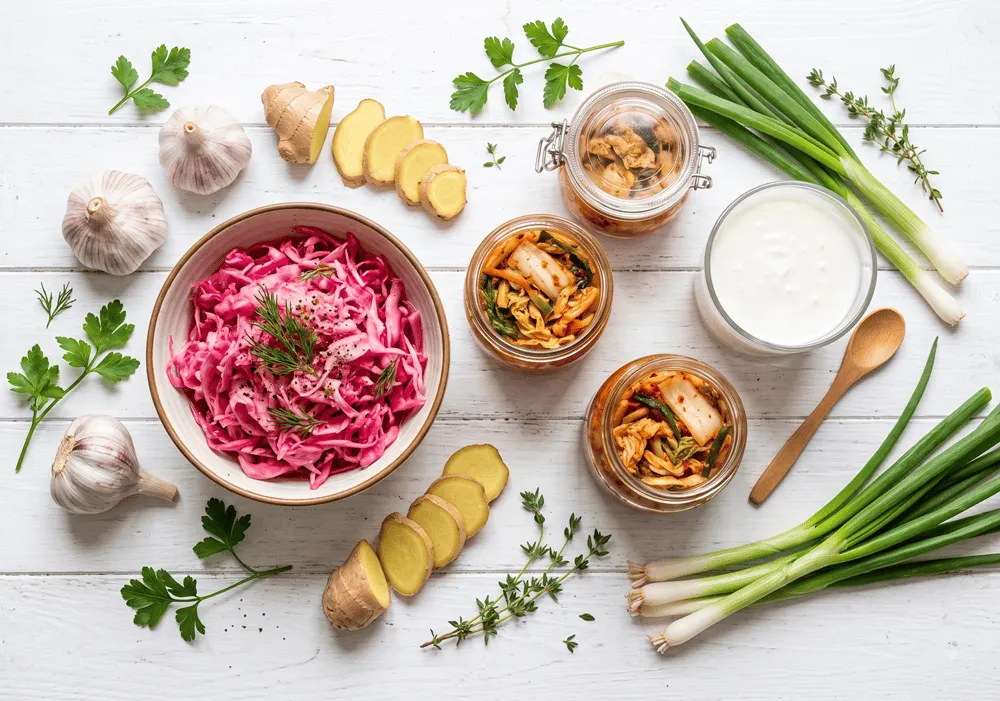
These six foods alone can dramatically shift your microbiome composition within 10 weeks.
3. Reduce Ultra-Processed Foods
Emulsifiers, artificial sweeteners, and preservatives found in ultra-processed foods have been shown to disrupt the gut lining and alter microbial composition. Reducing these foods can produce measurable improvements in gut health within weeks.
4. Manage Chronic Stress
The gut-brain axis works in both directions. Chronic stress disrupts microbial balance through hormonal and nervous system signals. Practices like meditation, deep breathing, and adequate sleep all positively influence gut health.
5. Consider a Targeted Probiotic Supplement
While diet comes first, a high-quality probiotic supplement can accelerate microbiome recovery — especially after antibiotic use, illness, or a period of poor diet. Look for formulations that include clinically studied strains in adequate concentrations (at least 1 billion CFU per dose).
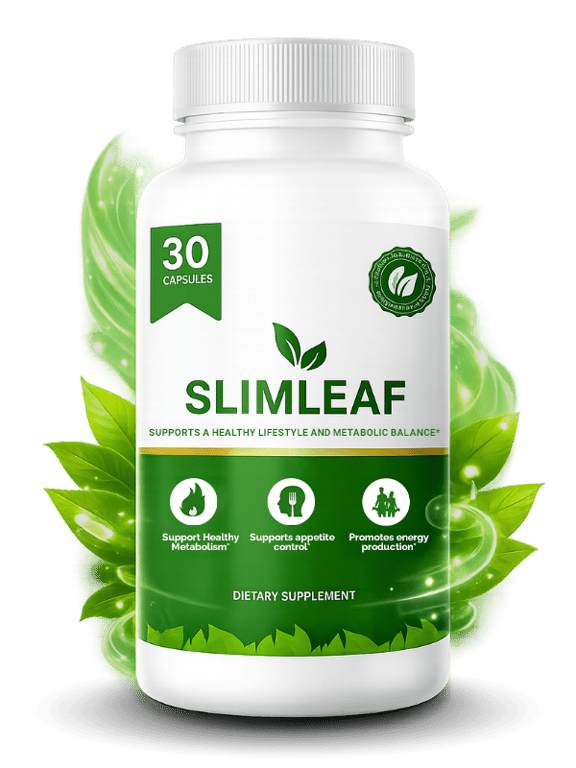
Support Your Gut Microbiome with SlimLeaf
SlimLeaf combines a 500M CFU probiotic blend with chicory inulin and resistant starch — providing both the beneficial bacteria and the prebiotic fuel they need to thrive.
Try SlimLeaf — 60-Day Guarantee →Daily fermented foods can dramatically shift microbiome composition within 10 weeks.
The Role of Prebiotics
Probiotics — the live bacteria themselves — get most of the attention, but prebiotics are equally important. Prebiotics are specific types of dietary fibre that selectively feed beneficial bacteria. The most well-researched include:
- Chicory inulin — found in chicory root, onions, garlic, and bananas
- Resistant starch — found in cooked and cooled potatoes, green bananas, and legumes
- FOS (fructooligosaccharides) — found in leeks, asparagus, and Jerusalem artichokes
Together, probiotics and prebiotics create a powerful synbiotic effect — the bacteria and their fuel working in tandem to produce optimal results.
How Long Does It Take to Improve Gut Health?
This depends on the degree of imbalance and the interventions used. Some people notice improvements in digestion and energy within 2–4 weeks of dietary changes and probiotic supplementation. Full microbiome restoration, however, typically takes 3–6 months of consistent effort. This is why experts consistently recommend committing to a longer programme rather than expecting overnight results.
The bottom line: Your gut microbiome is not a passive bystander in your health — it is an active, dynamic ecosystem that profoundly shapes how you feel, how you look, and how you age. Investing in its health through diet, lifestyle, and targeted supplementation may be one of the highest-return actions you can take for your long-term wellbeing.